-
Menu
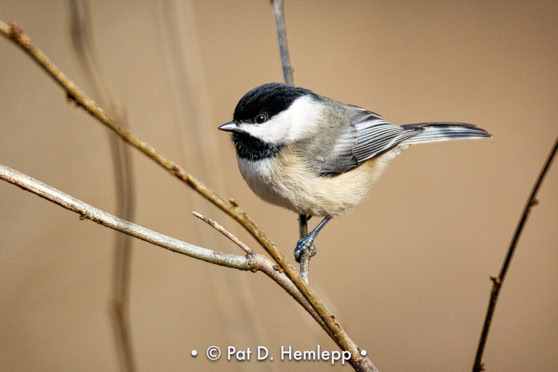
Chickadees are fun to watch but difficult to photograph.
They are always active in their search for food, often hanging upside down from leaves or tree limbs to access seeds, berries or insects. They are also very curious, investigating … Continue reading
Click on a photo to see a larger version
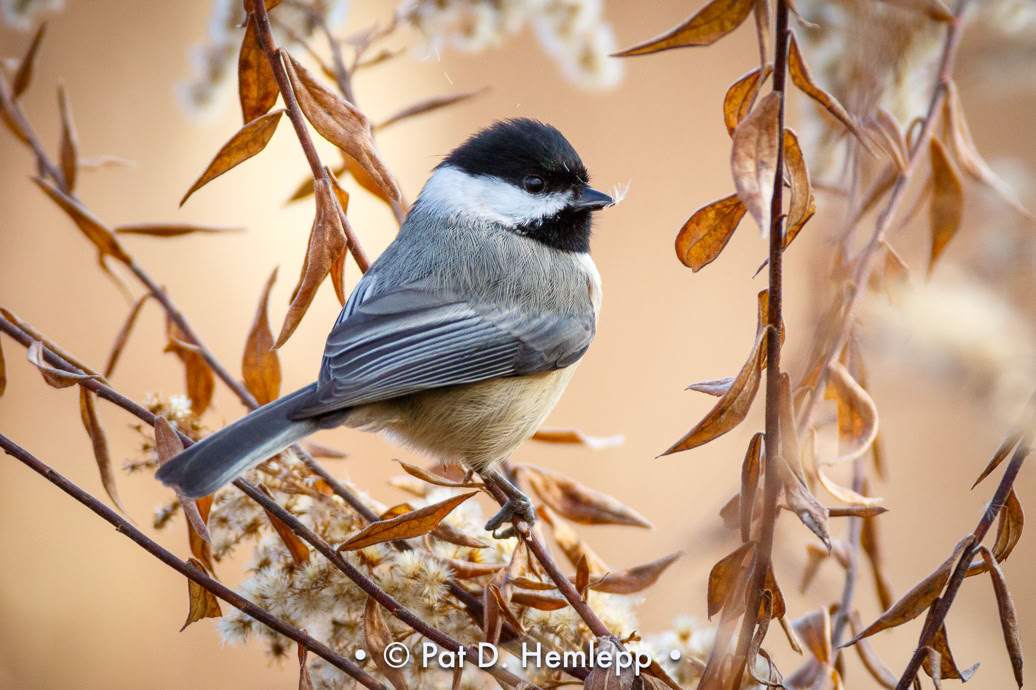
A Black-capped Chickadee holds a seed in its beak in Sharon Woods Metro Park, Westerville, Ohio.
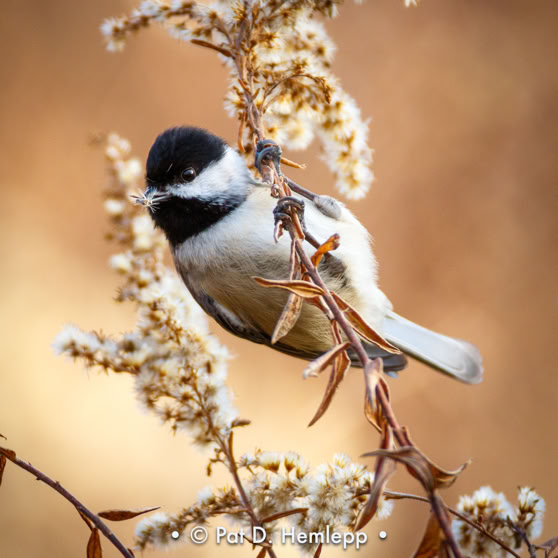
A Black-capped Chickadee holds a seed in its beak in Sharon Woods Metro Park, Westerville, Ohio.
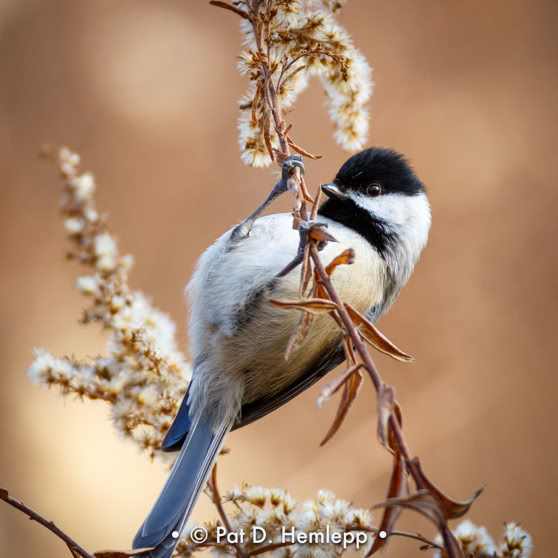
A Black-capped Chickadee hangs upside down to reach seeds in Sharon Woods Metro Park, Westerville, Ohio.
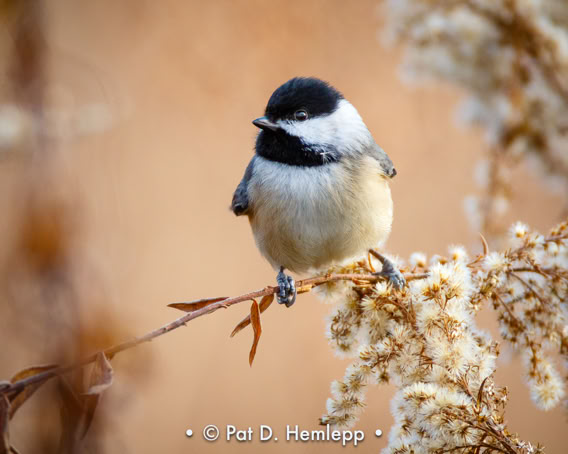
A Black-capped Chickadee stays alert in Sharon Woods Metro Park, Westerville, Ohio.
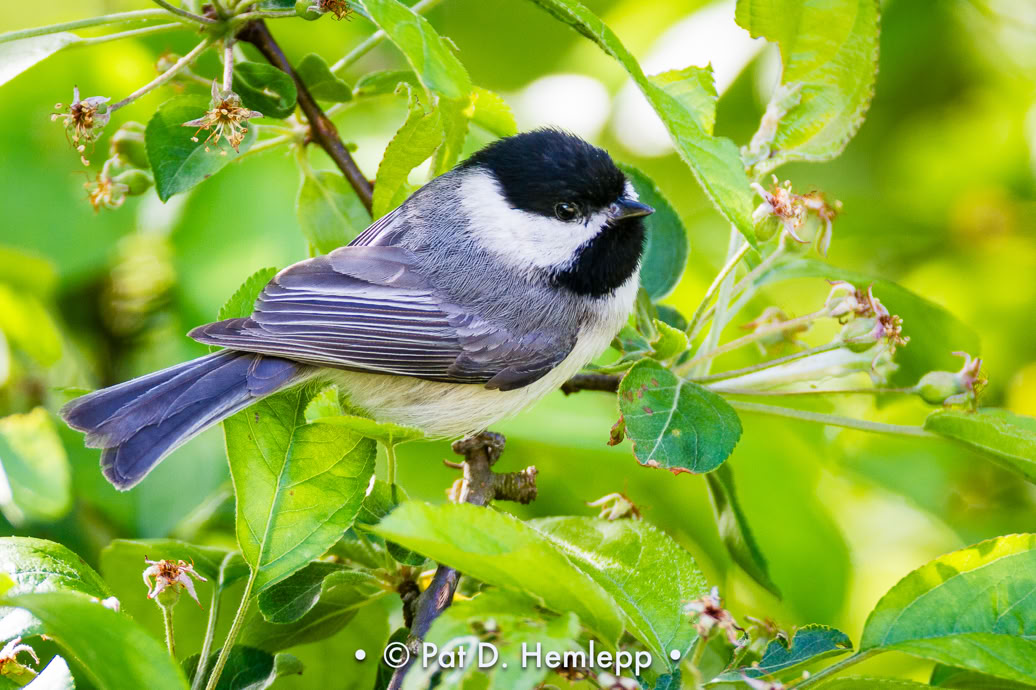
A Black-capped Chickadee perches among green leaves in Sharon Woods Metro Park, Westerville, Ohio.
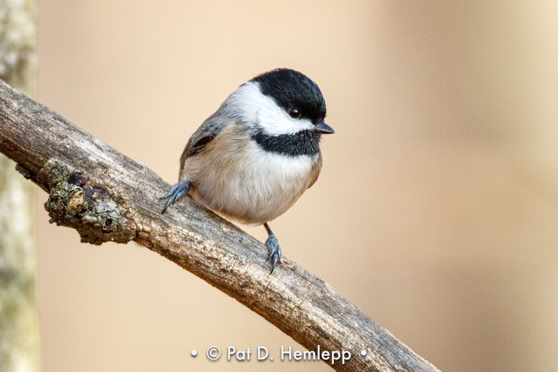
A Black-capped Chickadee perches on an angled branch, Sharon Woods Metro Park, Westerville, Ohio.
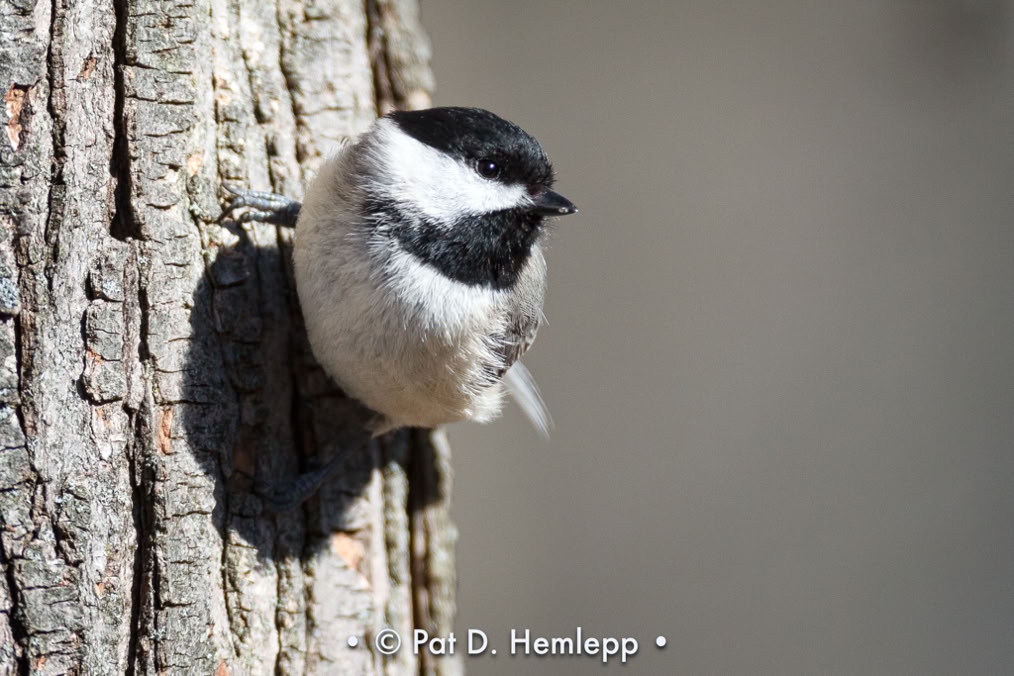
A Black-capped Chickadee clings to bark on the side of a tree, Sharon Woods Metro Park, Westerville, Ohio.
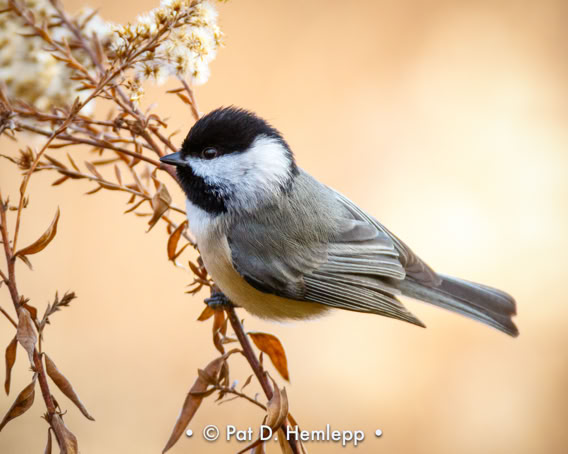
A Black-capped Chickadee perches in a late-autumn field in Sharon Woods Metro Park, Westerville, Ohio.
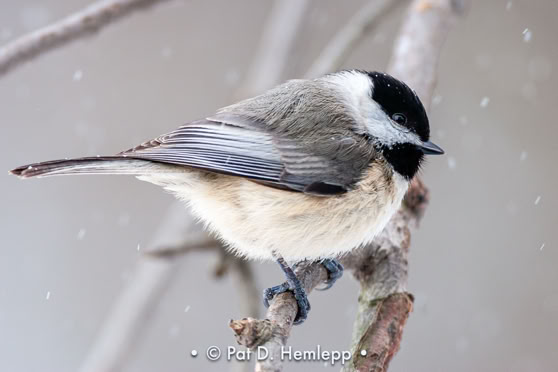
A Black-capped Chickadee with falling snow, Blendon Woods Metro Park, Westerville, Ohio.
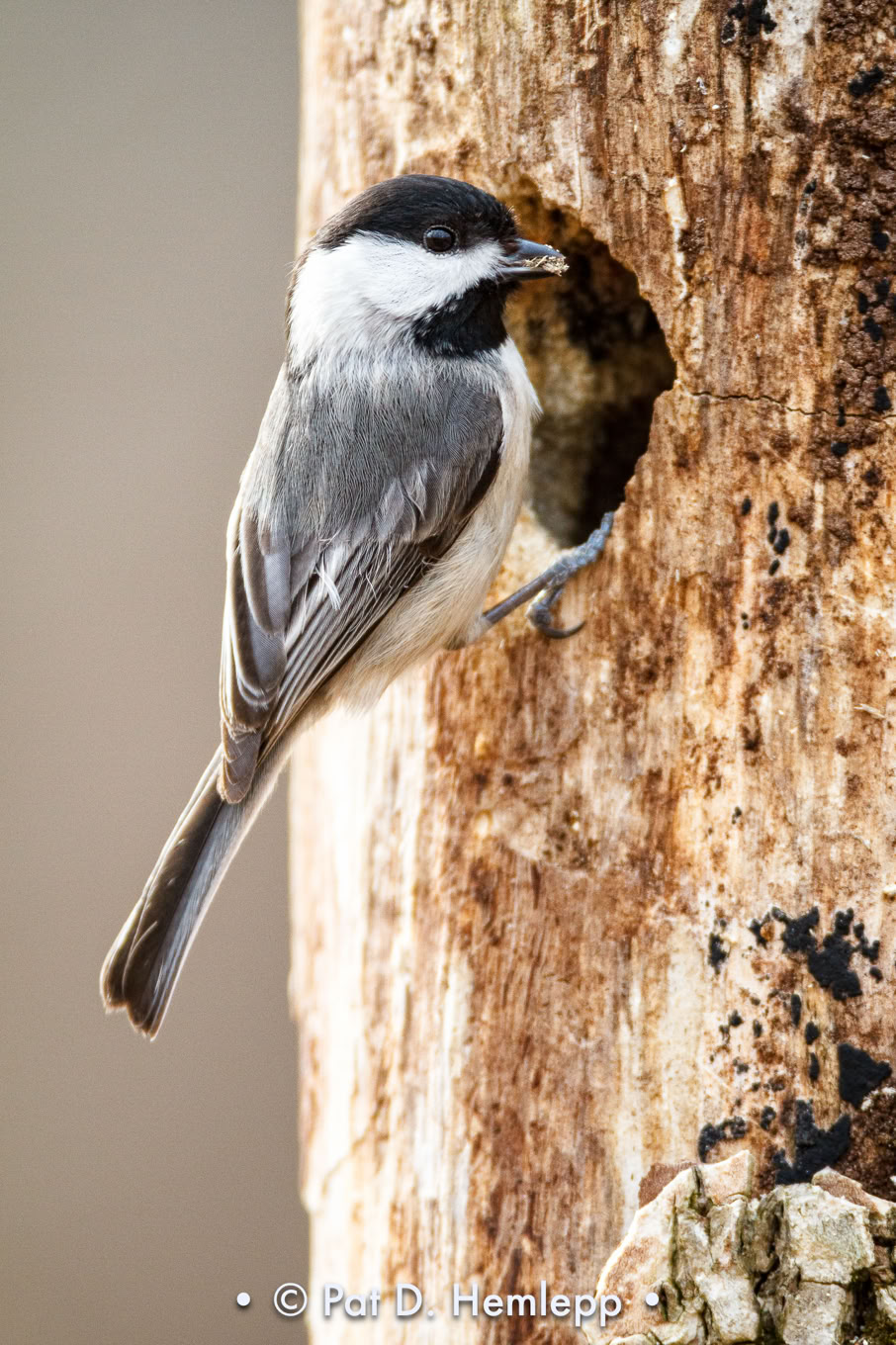
Chickadee prepares a hole in a tree for nesting. Sharon Woods Metro Park, Westerville, Ohio.
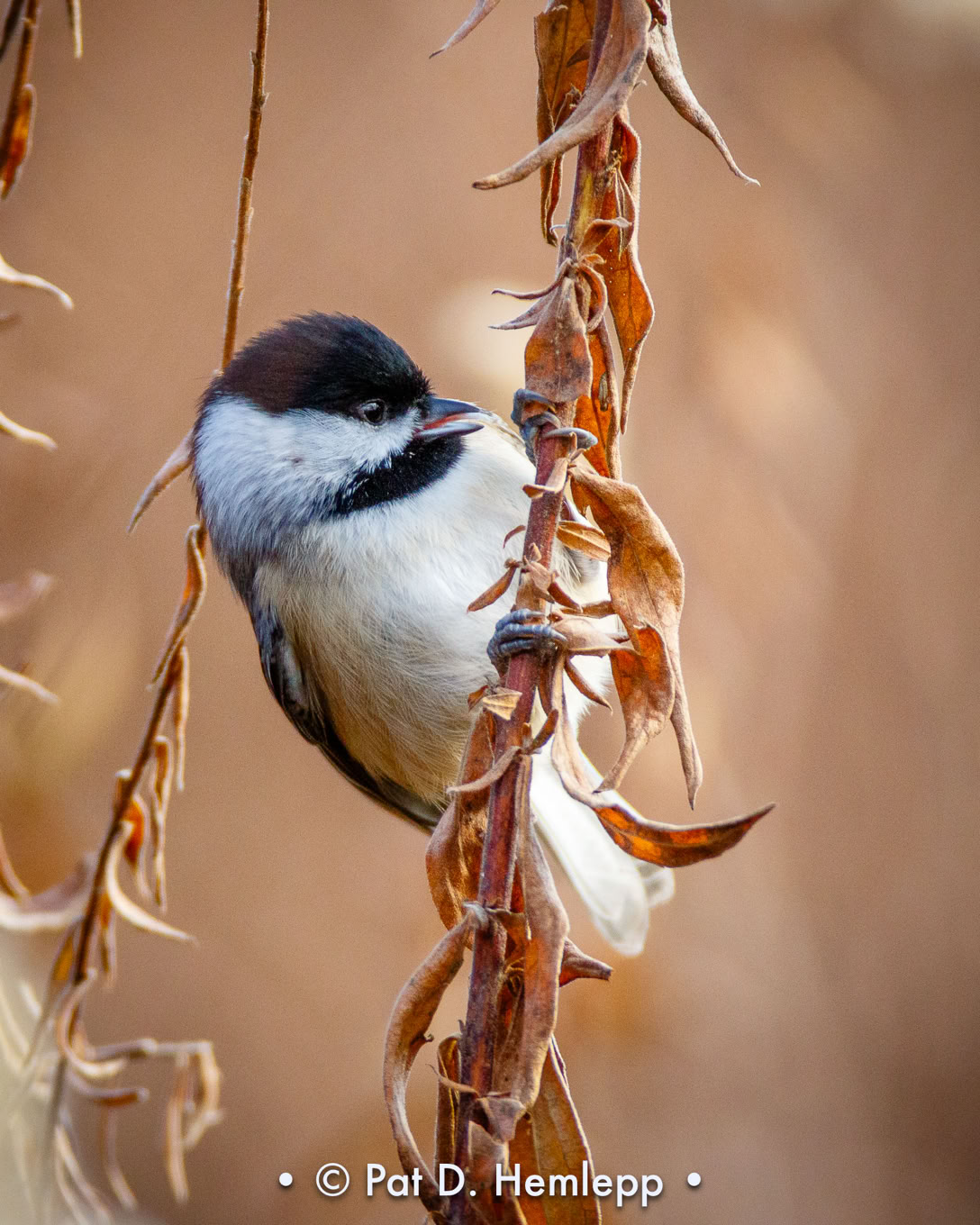
A Black-capped Chickadee searches for food on a plant stem in Sharon Woods Metro Park, Westerville, Ohio.
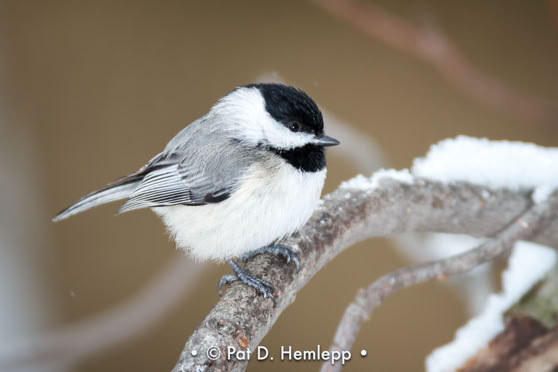
A Black-capped Chickadee perches on a snowy limb in Blendon Woods Metro Park, Westerville, Ohio
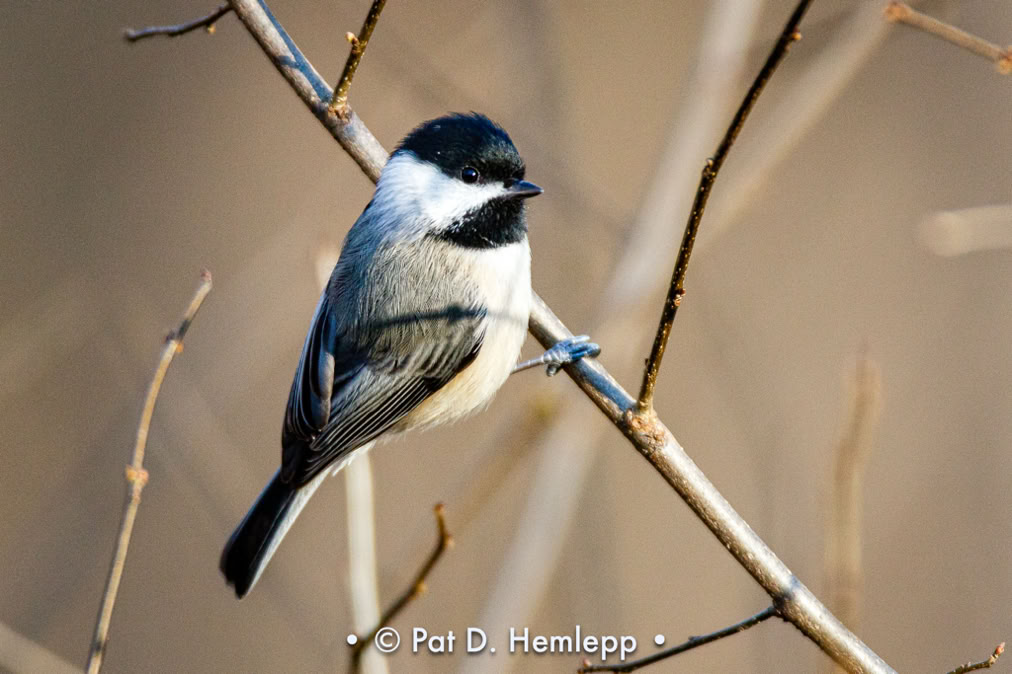
A Black-capped Chickadee hangs on a branch in Sharon Woods Metro Park, Westerville, Ohio.
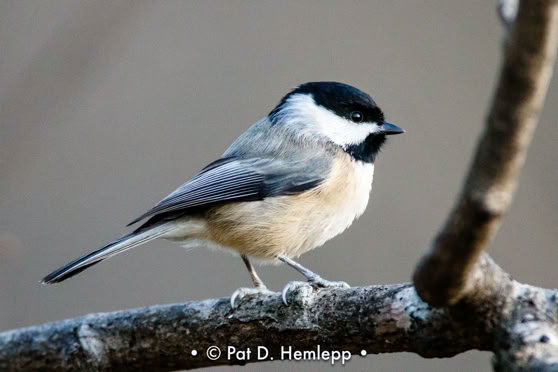
A Black-capped Chickadee stands on a limb in Sharon Woods Metro Park, Westerville, Ohio.
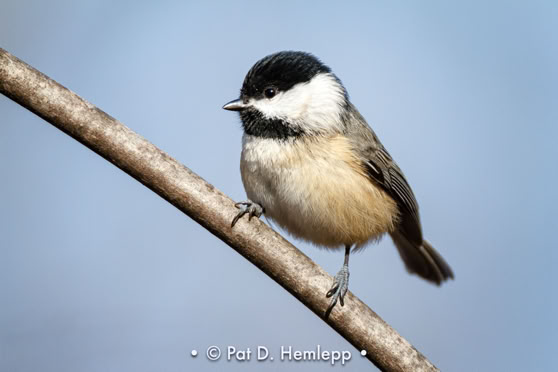
A Black-capped Chickadee perches on a branch in Sharon Woods Metro Park, Westerville, Ohio.
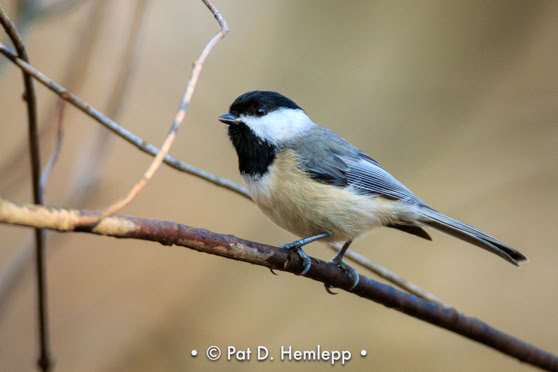
A Black-capped Chickadee perches on a branch in the forest in Sharon Woods Metro Park, Westerville, Ohio.
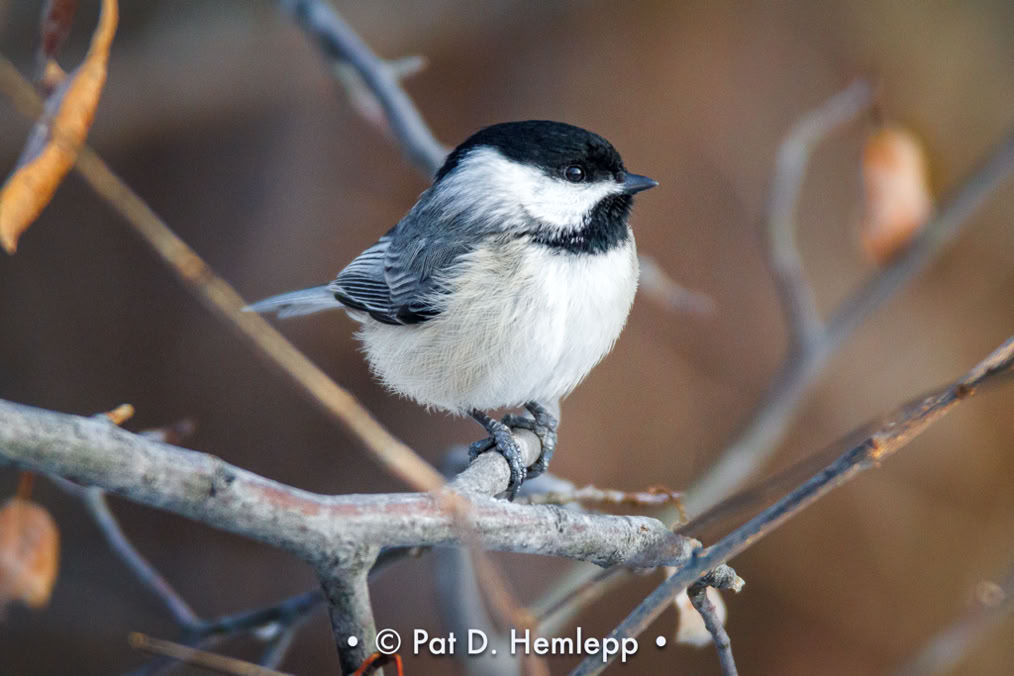
A Black-capped Chickadee perches among branches in Sharon Woods Metro Park, Westerville, Ohio.
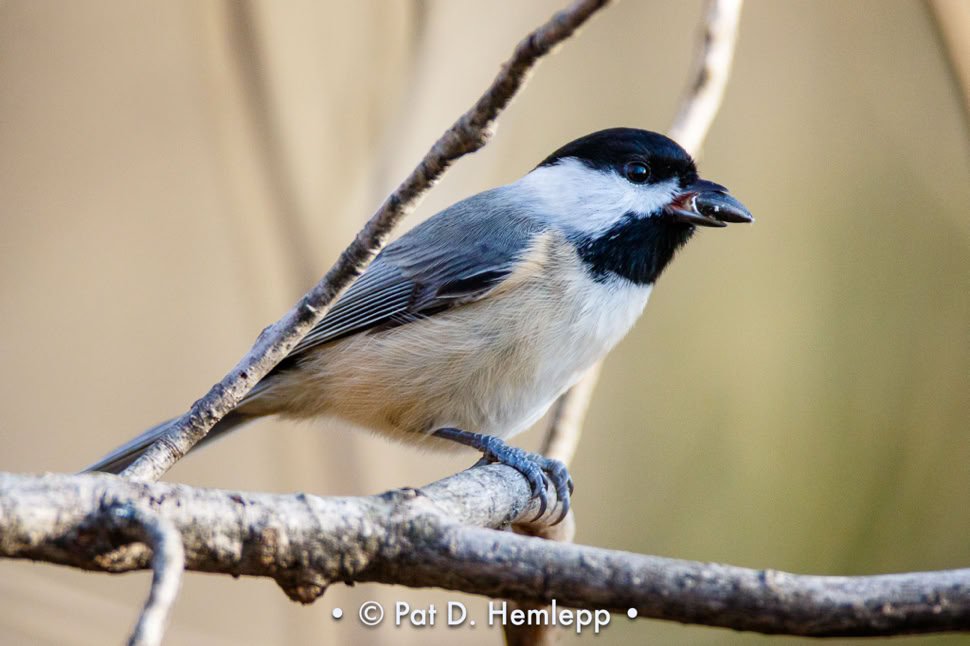
A Black-capped Chickadee holds a seed in Sharon Woods Metro Park, Westerville, Ohio.
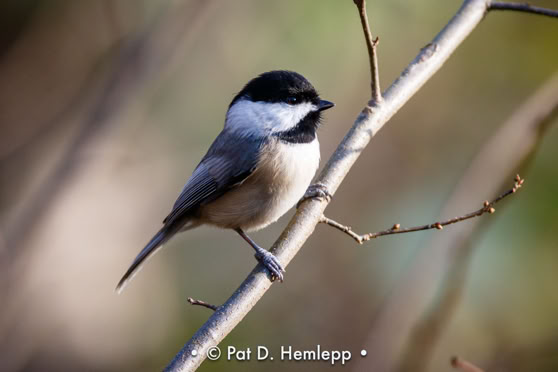
A Black-capped Chickadee perches on a branch in Sharon Woods Metro Park, Westerville, Ohio.
Nature websites almost always refer to chickadees as “cute.” That’s a nice description of a bird with such a funny name.
anything they find in their home area. I’ve had chickadees land on my camera lens to see what I’m doing. Their curiosity means that chickadees are often the first birds to discover new feeders in the area.
But the constant activity makes photographing chickadees a challenge. They never seem to perch in one spot for more than a few seconds.
Nature websites almost always refer to chickadees as “cute.” That’s a nice description of a bird with such a funny name.
Every time I post a photo of a chickadee I tell the same story: I remember as a very young kid running through the neighborhood with a bunch of other kids all repeating the line, “my little chickadee.” I guess someone in the group had seen W.C. Fields on TV. Fields first used the catchphrase in a 1932 movie, “If I Had A Million,” and later starred in a 1940 movie called “My Little Chickadee.” He often repeated the phrase.
The phrase “my little chickadee” was so much fun to say that it was a natural for little kids like us to adopt it for our own.
I doubt if anyone in the group had a clue what a chickadee was or if anyone in the group had even seen one. We were probably about four or five years old.
I’m assuming the birds in this gallery are all Black-capped Chickadee, the most common chickadee in Central Ohio, but I could be wrong. Central Ohio is in the overlap zone for the southern border of the Black-capped Chickadee’s range and the northern edge of the range for the nearly identical Carolina Chickadee. Black-capped Chickadees have a bit more white wing-feather edging and shorter songs than the Carolina Chickadee, but it is very difficult to tell them apart.
When I looked up the differences between Black-capped and Carolina Chickadees on All About Birds (my favorite site for bird information) I discovered some interesting facts about chickadees: